



A mother is calling for change after a life-changing birth injury went undiagnosed for more than two years.
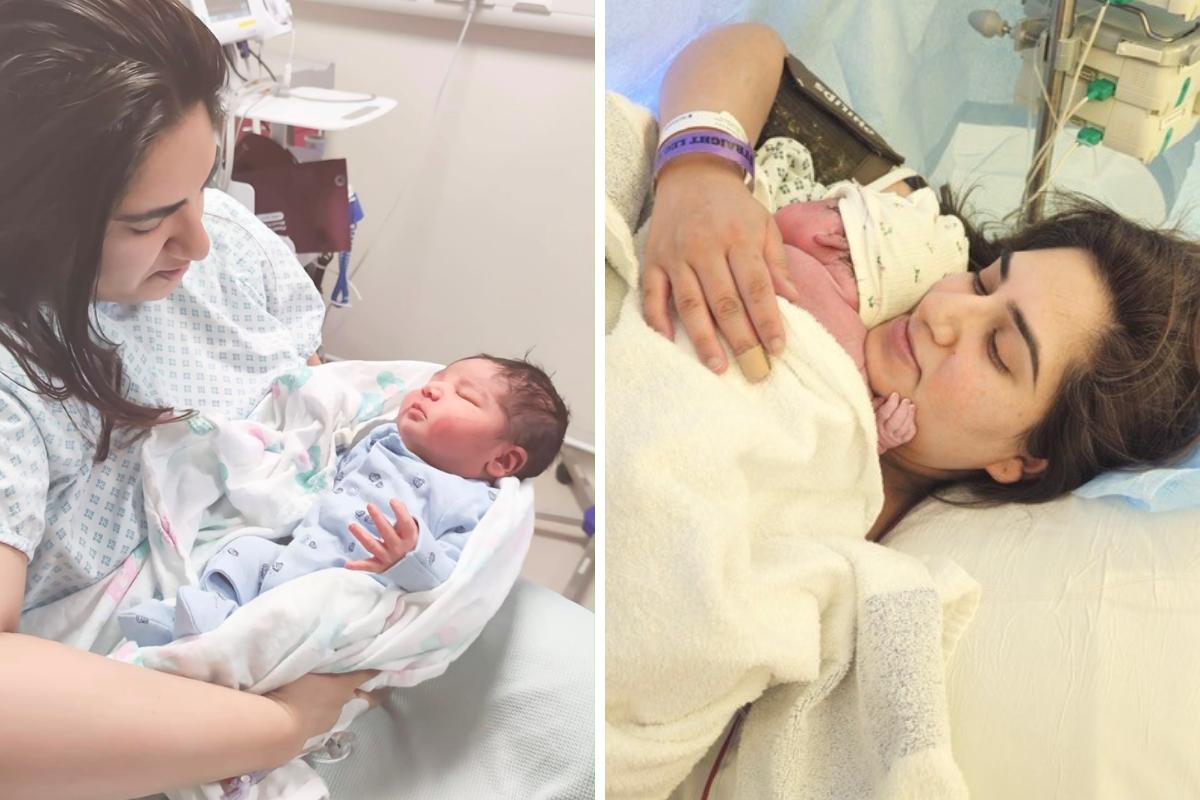
Zara Ishfaq, 31, from Woodford Green, sustained a severe perineal tear during the birth of her first child at Whipps Cross Hospital in East London.
She described the experience as "traumatic," following a three-day labour in which her son, Aariz, became stuck and was delivered by forceps.
Zara said: "The only way to describe my prolonged labour was traumatic.
"Even as a first-time mum I felt something wasn’t right.
"It was terrifying when Aariz’s head became stuck and I was just hoping he would be okay."

While her son was unharmed, Zara suffered a significant post-delivery bleed and ongoing pain that was not fully investigated.
Despite multiple medical appointments and complaints of pain, swelling and fever, a formal diagnosis was not made until more than two years later.
She continues to experience bowel complications and now has a stoma.
The injury, an obstetric anal sphincter injury (OASI), was only identified following specialist assessment, with confirmation in May 2024. She underwent repair surgery in May 2025.
Barts Hospital Trust has since admitted a breach of duty, acknowledging that the severity of the tear was underestimated.
The trust agreed that earlier detection could have prevented the long-term complications.

Zara is now represented by Irwin Mitchell, who are seeking a settlement to support her ongoing care needs.
Madeleine Nugent, the medical negligence lawyer representing Zara, said: "Zara’s traumatic experience not only highlights how serious birth injuries can go unrecognised but the devastating impact they have.
"What should have been such a joyous time for Zara welcoming her child into the world ended up in years of worsening pain and complications, many of which we feel could have been avoided.
"Sadly, like too many women who have suffered a birth injury, Zara was left trying to navigate a complex system in order to receive a diagnosis but also answers.
"While, following our investigations, we’re pleased to have secured Zara with the answers she deserves, nothing can make up for what she’s been through and the uncertain future she faces."
The injury also affected Zara ability to bond with her son and participate in early motherhood activities.
She said: "That started what felt like a constant back and forth trying to get to the root of my issues.
"Over time my symptoms became worse and had a greater effect on my life and also my ability to bond with my baby.
"While my friends were meeting in the park and attending baby groups, I was barely able to leave the house.
"I struggled on, but the situation was dire."
Following her diagnosis, Zara began researching birth trauma injuries and discovered that women of South Asian heritage are at higher risk of OASI.
She is now campaigning for better awareness and improved obstetric care.
Research by The MASIC Foundation, a birth injury charity, suggests that one in 20 first-time mothers experience an OASI during childbirth.
Further studies indicate that women of Asian heritage are up to six times more likely to suffer this injury during their first natural delivery compared to white women.
Read more
NHS offers home test kits to 4 million women in cervical screening drive
Care home nurse who told staff to 'be ready for the Muslims' suspended
Zara has since given birth to a second child, but said her injuries had a profound impact on her pregnancy and quality of life.
She said: "It’s not just the physical injuries that affect you, it’s the psychological toll of having a reduced quality of life.
"Too many women are suffering unnecessarily and more needs to be done to improve maternity care but also break the taboo around birth injuries to mums.
"My story isn’t just about what happened to me - it’s about trying to make sure it doesn’t happen to the next woman and empowering mums to know their bodies and make sure they’re involved in their maternity care."
A Barts Health NHS Trust spokesperson said: "We are very sorry that Ms Ishfaq's care did not meet the high standards we expect for our patients, and for the impact this has had on her and her family.
"We have learned from this case and remain committed to continually improving the quality and safety of our maternity services."


Share